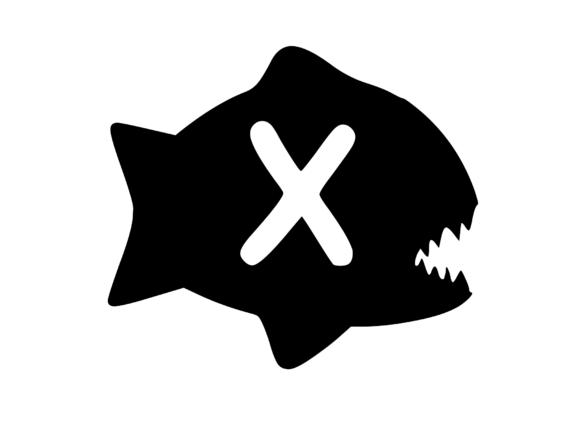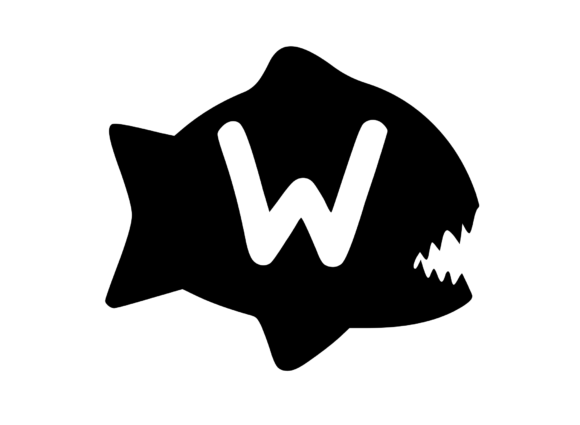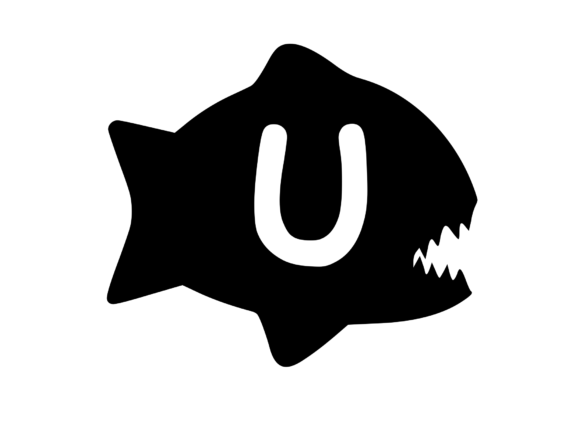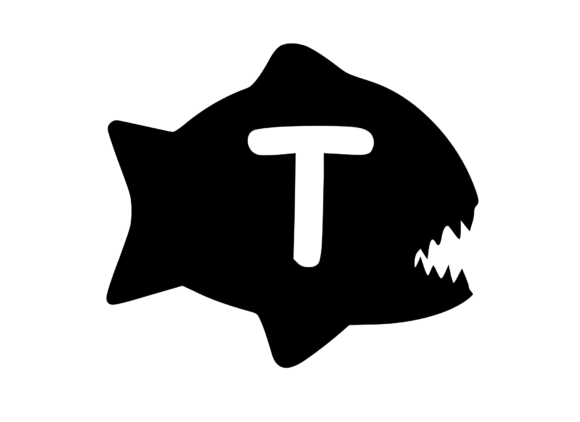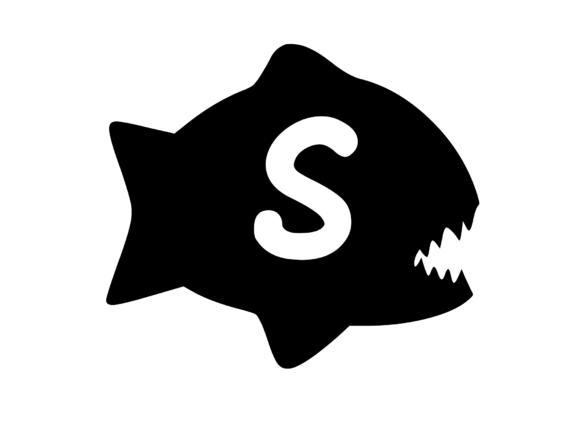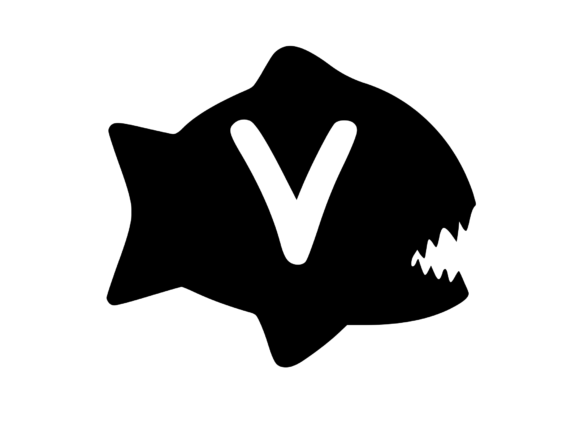
Piranha Fish with Playful Mono V: A Stitch Test
As an embroidery designer who has tested thousands of files for both personal craft projects and commercial production, I approach every new graphic with a healthy dose of skepticism. When I first loaded the Piranha Fish with Playful Mono V into my digitizing software, I wasn't just looking at a cute vector; I was mentally simulating needle penetrations, thread tension, and fabric distortion. This design sits in that interesting intersection of whimsical character art and functional typography, making it a unique candidate for various Crafts and Graphics applications. However, translating a digital SVG into a tangible embroidered product requires more than just hitting the start button. Here is my practical assessment of how this design performs when thread actually hits fabric.
First Impressions: Balancing Edge and Whimsy
The immediate appeal of Piranha Fish with Playful Mono V lies in its personality. Piranhas often carry an aggressive or scary connotation in traditional illustration, but the "Playful Mono" modifier here suggests a stylized, perhaps monochromatic or simplified aesthetic that softens the blow. For a designer, this is crucial. It transforms a niche subject into something accessible for a broader audience. The layout appears balanced enough to serve as a standalone centerpiece rather than just a background element.
From a technical standpoint, designs featuring aquatic life can be tricky due to organic curves and potential scale details. If this file relies heavily on intricate fill stitches to render scales, we risk a dense, bulletproof patch that puckers lightweight fabrics. Conversely, if it utilizes clean running stitches or satin stitch outlines, it opens up possibilities for lighter garments. My initial review suggests this design leans toward a graphic, illustrative style which is generally safer for embroidery than photorealistic rendering. This makes it particularly suitable for modern apparel decorators and Etsy sellers looking for trendy, retro-inspired aesthetics rather than traditional wildlife taxidermy styles.
Real-World Application: The Custom Tote Bag Test
To truly evaluate Piranha Fish with Playful Mono V, I envision a specific real-life scenario: creating a line of eco-friendly canvas tote bags for a summer boutique collection. Tote bags are high-visibility items where design clarity matters immensely. In this context, the playful nature of the piranha serves as a conversation starter, while the mono aspect ensures it doesn't clash with varied customer wardrobes.
When stitching this out on 12oz cotton canvas, the primary concern is registration. Canvas has a distinct weave that can push stitches around. If the design includes text elements integrated with the fish, the lettering must remain legible despite the fabric texture. In my experience, playful mono fonts often feature thinner lines than bold block letters. On a tote bag, I would recommend testing a slightly heavier weight thread or adjusting the stitch density to ensure the font doesn't get lost in the canvas grain. The result, when executed correctly, is a handmade product that feels intentional and artistic, elevating the perceived value of what could otherwise be a generic promotional item.
Navigating Fabric Limitations and Hoop Constraints
While Piranha Fish with Playful Mono V shows promise for sturdy items like totes and aprons, caution is required for more delicate applications. As a reviewer, I must highlight where this design might struggle:
- Stretchy Knits and Baby Clothes: If you plan to use this for baby embroidery or lightweight sweatshirt embroidery, verify the stabilizer requirements. Playful, curvy designs can distort knit fabrics if the stitch count is too high or the underlay is insufficient. Always use a cut-away stabilizer and consider a topping to prevent stitches from sinking into the pile.
- Curved Surfaces: For cap or hat embroidery, assess the vertical height of the design. Aquatic shapes are often wider than they are tall, which fits cap fronts well, but if the "Mono V" element extends vertically, it may exceed the safe stitching area of a curved hoop.
- Dark Fabrics: Monochromatic designs rely on contrast. If stitching white thread on black fabric, ensure the design has adequate coverage. Running stitches meant for light fabric may disappear on dark backgrounds without a backing layer or increased density.
- Small Hoop Sizes: Before purchasing or downloading, confirm the dimensions against your smallest hoop. Detailed fins or facial expressions in a piranha design can become muddy blobs if resized below 3 inches. Never sacrifice detail integrity for size.
Commercial Viability for Makers and Sellers
For creative entrepreneurs and small shop owners, time is money. Piranha Fish with Playful Mono V offers strong commercial potential because of its versatility. It avoids being overly seasonal, meaning it can be sold year-round as part of a core collection rather than just a holiday embroidery release. The "playful" descriptor signals safety for children’s markets, while the specific subject matter appeals to fishing enthusiasts, aquarium hobbyists, and fans of alternative aesthetics.
However, professionalism dictates due diligence. Before listing any finished product or digital embroidery file derived from this asset, you must verify the licensing terms. Does the license cover commercial reproduction of physical goods? Can you use it in printable mockups for your Etsy listings? These legal parameters define whether this is a viable business asset or merely a personal toy. Furthermore, brand consistency is key. If your shop specializes in minimalist botanicals, a piranha might feel out of place unless styled cohesively. But for shops focusing on quirky graphics, outdoor gear, or personalized gifts, this design aligns perfectly with buyer expectations.
Essential Pre-Stitch Checklist for Success
Based on my evaluation of similar machine embroidery design assets, I recommend the following workflow before committing Piranha Fish with Playful Mono V to a final project:
- Digital Audit: Open the embroidery file in your editing software. Check for jump stitches that require excessive trimming. Review the color sequence to ensure logical transitions.
- Contrast Testing: Create black and white mockups alongside full-color versions. This reveals whether the design relies solely on color differentiation or holds up through value contrast alone.
- Stabilizer Match: Select your stabilizer based on the end-use fabric, not just the design type. A tea towel needs different support than a performance polyester shirt.
- Sample Stitch-Out: Never skip the test run. Use scrap fabric identical to your final product. Inspect the edges of satin stitches and the clarity of any small text elements.
- Wash Test: If selling custom apparel or baby items, wash and dry the sample. Playful mono details can fray or pull if the stitch density wasn't optimized for laundering.
Final Verdict on Design Utility
Piranha Fish with Playful Mono V stands out as a thoughtful addition to a crafter's library, provided it is applied with technical awareness. It bridges the gap between novelty and style, offering a fresh take on aquatic themes that avoids cliché. For the experienced embroiderer, it presents a manageable challenge that yields high-reward visual interest. For the business owner, it represents a unique SKU that can differentiate inventory in a saturated market.
Ultimately, the success of this design depends on respecting the relationship between the digital art and the physical medium. By understanding its behavior across different fabrics and verifying its suitability for your specific hoop sizes and commercial goals, you transform a simple graphic into a professional-grade embroidered product. Whether you are crafting a personalized gift for a friend or building a new collection for your online store, this design warrants a spot in your rotation—just remember to let your test stitch guide your final production decisions.