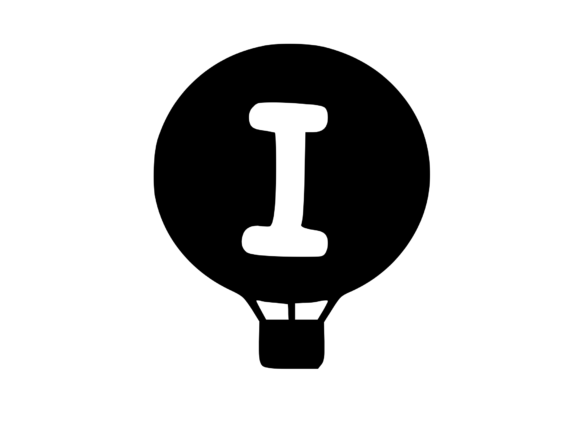
Hot Air Balloon with Mono I: An Embroidery Review
As a professional embroidery designer and product reviewer, I approach every new graphic with a critical eye. When evaluating the Hot Air Balloon with Mono I, my first thought isn't just about how pretty it looks on a screen, but how it will translate through the needle. This design sits at a unique intersection of whimsy and typography, making it a versatile asset for crafters and small business owners. The integration of the monogram "I" into the balloon structure suggests a thoughtful layout that can elevate a simple project into a personalized gift or boutique product. However, translating digital graphics into stitched reality requires understanding the interplay between stitch density, fabric texture, and visual balance.
First Impressions and Visual Personality
Upon opening the file, the Hot Air Balloon with Mono I presents a clean, nostalgic silhouette. The mood is undeniably uplifting and vintage-inspired, which immediately signals its best applications: nursery decor, baby embroidery, and sentimental holiday gifts. Unlike generic clip art, this design feels curated for customization. The monogram element is not merely tacked on; it appears integral to the composition. For an Etsy seller or creative entrepreneur, this is crucial. Customers are looking for items that feel bespoke rather than mass-produced. The graphic’s personality leans towards soft, heirloom-quality aesthetics, making it ideal for linen tea towels, cotton tote bags, and lightweight sweatshirts. It avoids the overly cartoonish look that can sometimes cheapen a handmade product, instead offering a refined charm that appeals to adult buyers purchasing for children or themselves.
Real-World Application: Stitching a Custom Tote Bag
To truly judge this machine embroidery design, I mentally walked through a recent client project involving custom canvas tote bags for a boutique launch. The goal was to create a reusable bag that felt high-end yet playful. The Hot Air Balloon with Mono I was selected as the centerpiece. In this scenario, the design’s scale is paramount. On a standard 15x15cm hoop size, the balloon provides ample space for color play without overwhelming the bag's utility.
During the stitching simulation, the transition from the balloon envelope to the basket requires careful attention. If this is an applique design, the placement lines must be precise to prevent fraying edges. If it relies entirely on fill stitch and satin stitch columns, the contrast between the smooth balloon surface and the textured basket becomes the focal point. For the tote bag application, I found that using a matte rayon thread for the balloon and a variegated cotton thread for the basket added a tactile depth that customers love. The monogram "I" served as the perfect anchor, allowing us to market the bag as a customizable template where the letter could be swapped for future orders. This flexibility is exactly what drives repeat business in the commercial embroidery sector.
Navigating Fabric Choices and Stabilizer Needs
While the Hot Air Balloon with Mono I is visually adaptable, it demands respect regarding substrate selection. The design likely contains varying stitch densities that can wreak havoc on unstable fabrics. When working with stretchy knits for sweatshirt embroidery or baby clothes, a cut-away stabilizer is non-negotiable. The weight of the fill stitches in the balloon body can cause puckering if the fabric isn't adequately supported. I always recommend testing on scrap fabric first, especially when moving from woven cottons to performance blends.
For textured fabrics like terry cloth or fleece, the fine details of the monogram and any rigging lines connecting the balloon to the basket risk getting lost. In these cases, you may need to adjust the stitch length or add a topping to keep the stitches visible. Conversely, on thin fabrics like voile or lawn, the density might be too heavy, leading to tearing. Always check the specific embroidery file attributes before committing to a production run. Dark fabrics present another challenge; ensure your thread colors have sufficient contrast against the background. A white or cream balloon on navy fabric pops beautifully, but pastel threads on dark grey can look muddy. Running a black and white mockup or a grayscale stitch simulation helps verify value contrast before threading the machine.
Commercial Viability and Product Value
For those running a craft business or selling digital embroidery files, the commercial potential of this graphic is significant. The Hot Air Balloon with Mono I bridges the gap between seasonal holiday embroidery and evergreen nursery themes. This duality extends the product lifecycle beyond a single season. As a digital product seller, providing clear notes on recommended stabilizers and fabric types alongside the file adds immense value to your customers. It reduces support tickets and increases trust.
When creating printable mockups for listings, avoid placing the design only on flat white backgrounds. Show it stitched on a real pillow cover or apron to demonstrate scale and texture. Buyers need to visualize the finished product. The inclusion of the monogram also allows for tiered pricing; you can offer the base balloon design at one price point and the personalized version at a premium. This strategy works exceptionally well for wedding gifts and anniversary keepsakes. Just remember to confirm licensing terms before selling finished items or modifying the design assets for resale. Professionalism in intellectual property management is as important as stitch quality in building a reputable brand.
Critical Designer Notes for Success
Before you hoop up and start stitching, consider these practical checkpoints to ensure the Hot Air Balloon with Mono I performs as expected:
- Verify Hoop Compatibility: Never assume the design fits your machine’s maximum area. Check the dimensions in your software and compare them to your physical hoop size to avoid mid-stitch errors.
- Test Stitch Density: Print out a template at actual size and tape it to your intended garment. This reveals whether the monogram is legible and if the balloon proportions suit the placement area.
- Thread Color Planning: Use software to preview thread changes. Ensure the running stitch outlines align perfectly with fill areas. Misregistration here makes even the best digitizing look amateur.
- Fabric Texture Assessment: Highly textured surfaces may require a water-soluble topping to prevent stitches from sinking. Smooth, tight-weave fabrics generally yield the crispest results for this style of graphic.
- Licensing Compliance: Whether you are an Etsy seller or a hobbyist making gifts, always review the usage rights. Confirm if the license covers commercial sale of finished products or is restricted to personal use.
- Mockup Realism: When marketing this design, use photos of actual stitched samples whenever possible. Digital renderings often fail to capture the sheen of satin stitches or the loft of fill patterns, which are key selling points for handmade products.
Elevating Your Embroidery Portfolio
The Hot Air Balloon with Mono I is more than just a cute graphic; it is a test of technical skill and artistic judgment. Its success lies in the execution. By treating it as a professional component of your inventory rather than a quick stitch-out, you enhance the perceived value of your work. Whether you are embellishing a baby blanket, branding a small shop product, or expanding your digital catalog, this design offers a reliable foundation for creativity. Remember that in the world of crafts and graphics, the difference between a good product and a great one is often the unseen preparation. Test thoroughly, stabilize correctly, and let the timeless appeal of this hot air balloon carry your next project to new heights.