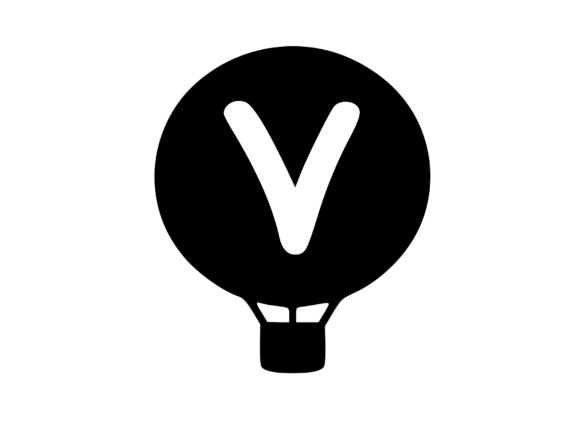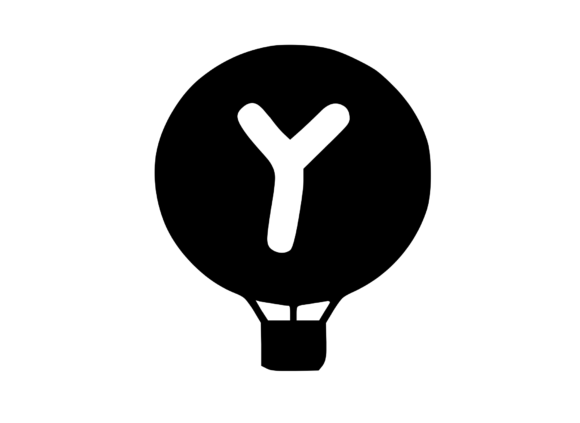
Hot Air Balloon with Mono Y: An Embroidery Review
As a professional embroidery designer and product reviewer, I approach every new graphic with a critical eye toward stitchability. When evaluating the Hot Air Balloon with Mono Y, my first thought isn't just about the aesthetic appeal of the artwork itself, but how that artwork translates from a digital screen to physical thread. This design falls squarely into the intersection of whimsical nursery decor and sophisticated monogramming, making it a versatile asset for makers. However, versatility requires technical understanding. Before you load this embroidery file into your machine or list it in your Etsy shop, we need to discuss how this specific combination of illustrative elements and typography performs in real-world production scenarios.
First Impressions: Whimsy Meets Structure
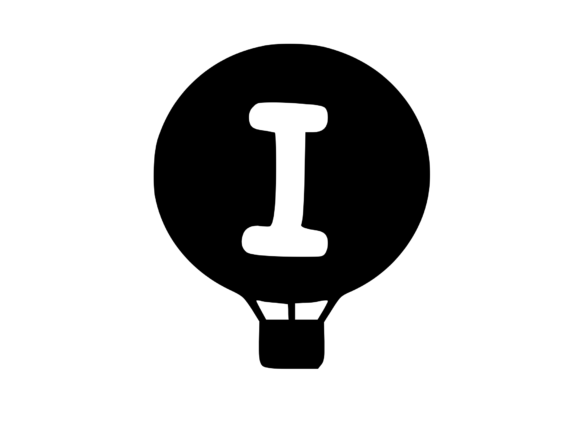
The immediate mood of the Hot Air Balloon with Mono Y is nostalgic yet clean. The balloon shape offers a natural frame for the letter, creating a cohesive unit rather than two disparate elements fighting for attention. From a design perspective, this layout is excellent for personalized gifts because the circular or oval boundary of the balloon contains the visual weight, preventing the monogram from looking lost on larger garments. For those of us in the craft business sector, this balance is crucial. It signals to the buyer that the item was designed specifically for embroidery, not just stamped with generic clip art. The "Mono Y" suggests a classic serif or script style typically associated with heirloom stitching, which elevates the perceived value of the finished product beyond standard novelty wear.
Real-World Application: The Custom Tote Bag Test
To truly judge this design, I mentally placed it on a canvas tote bag intended for a boutique client. Canvas is unforgiving; it has texture that can swallow fine details. In this scenario, the Hot Air Balloon with Mono Y serves as an ideal centerpiece. Because the balloon provides a solid background area (likely utilizing a fill stitch or serving as an applique design base), it creates necessary contrast against the woven fabric. If this were merely an outline running stitch, it would disappear into the canvas weave.
For a tote bag design, placement matters. I envision this centered about four inches down from the top edge. The vertical orientation of the balloon complements the tall structure of a tote. Furthermore, if you are an Etsy seller offering personalization, swapping the "Y" for other initials while maintaining the balloon graphic allows for scalable inventory without redesigning from scratch. This efficiency is vital for small shop products where turnaround time impacts profitability. The design’s inherent charm makes it particularly strong for mom bags, library totes, or market shopping accessories, bridging the gap between utility and aesthetic delight.
Technical Considerations for Apparel and Nursery Items
While the tote bag scenario is forgiving, applying the Hot Air Balloon with Mono Y to apparel requires stricter technical discipline. If you are planning sweatshirt embroidery or baby embroidery, you must consider fabric stability. Knits stretch; balloons and letters do not. Without adequate stabilizer, the dense stitch areas of the monogram could cause puckering, distorting the perfect roundness of the balloon. I recommend testing this machine embroidery design on a scrap of your exact garment material first. Check if the stitch density is too heavy for lightweight baby onesies. A design that looks beautiful on screen can become a stiff, uncomfortable armor plate on thin cotton jersey if the digitizer prioritized coverage over drape.
Conversely, for nursery decor like pillow covers or wall hangings, the density is often a benefit. It adds tactile quality. Here, the Hot Air Balloon with Mono Y shines as a standalone piece of art. Ensure your thread colors have sufficient contrast. A white balloon with a pale yellow Y on cream fabric might look elegant in a printable mockup, but in physical form, it risks looking washed out. Always verify visibility under natural lighting conditions before committing to a production run.
Navigating Fabric Textures and Hoop Limitations
Not all substrates are created equal. As an experienced reviewer, I must caution against using intricate versions of this design on highly textured surfaces like terry cloth towels or plush fleece unless you use a topping stabilizer. The fine details of the "Mono Y" serifs or the balloon's rigging lines will sink into the pile, rendering them invisible. For these fabrics, a simplified version focusing on bold shapes and satin stitch borders is preferable.
Hoop size is another practical constraint. Verify the dimensions of the Hot Air Balloon with Mono Y against your machine’s capabilities before purchasing. If you intend to resize the design significantly, be aware that scaling down may cause the lettering to merge, while scaling up may expose gaps in the fill patterns. For commercial embroidery projects involving caps or curved surfaces, this design may require modification. The flat geometry of a balloon does not naturally wrap around a cap crown without distortion. In such cases, reserve this graphic for flat brim hats or left-chest placements on polos rather than forcing it onto a curved front panel.
Professional Integrity and Commercial Viability
For creative entrepreneurs selling digital embroidery files or finished goods, professionalism hinges on consistency. The Hot Air Balloon with Mono Y should align with your brand’s overall aesthetic. If your shop specializes in edgy, modern streetwear, this traditional motif might feel disjointed. However, for brands focused on cottagecore, vintage revival, or children’s fashion, it is a high-value asset.
When creating listings, avoid relying solely on digital renders. Customers trust sellers who show actual stitched samples. Photograph the design on both light and dark backgrounds to demonstrate versatility. Highlight the stitch type in your description—is it an applique? Is it redwork? Educated buyers appreciate this transparency. Additionally, always confirm licensing. Just because a graphic is available doesn't automatically grant rights for unlimited commercial reproduction or resale of the design assets themselves. Protect your business by verifying terms before integrating this into your holiday embroidery lineup or permanent catalog.
Designer Notes for Optimal Results
To ensure the Hot Air Balloon with Mono Y meets professional standards in your workshop, adhere to these practical guidelines:
- Test Stitch First: Never run this design on a final product without a test sew-out. Evaluate registration between the balloon body and the monogram letter.
- Stabilizer Selection: Match stabilizer weight to fabric. Use cut-away for knits and tear-away for wovens. Add water-soluble topping for textured fabrics to preserve detail.
- Thread Contrast Check: View your thread selection in grayscale. If the balloon and the letter blend together in black and white, they will lack definition in color.
- Mockup Accuracy: When creating printable mockups for digital sales, apply realistic fabric textures and shadows. Flat vector previews mislead customers about the tactile nature of embroidery.
- Detail Inspection: Zoom in at 100% in your editing software. Ensure the smallest elements of the "Y" are wider than a needle’s path to prevent thread breaks or bird nesting.
- Wash Testing: If producing items requiring frequent laundering, wash your test sample three times. Check for thread shrinkage or fabric tunneling around the dense satin stitches.
Ultimately, the Hot Air Balloon with Mono Y is more than just a cute graphic; it is a functional tool for storytelling through thread. Whether you are crafting a bespoke embroidered patch, decorating a heirloom blanket, or expanding your digital product offerings, success lies in respecting the medium. By approaching this design with technical mindfulness and artistic intention, you transform a simple SVG file into a tangible expression of quality craftsmanship that resonates with clients and brings joy to the end user.