Viral Bacterial Germ with Mono 8: A Stitch Test
As a professional embroidery designer and product reviewer, I approach every new machine embroidery design with a healthy dose of skepticism. The digital preview often looks flawless, but the true test lies in how the file translates from screen to fabric. When evaluating Viral Bacterial Germ with Mono 8, my primary focus is not just on the aesthetic appeal of the graphic, but on its structural integrity as a stitchable asset for commercial and personal projects. This design sits at an interesting intersection of science-themed novelty and practical monogramming utility, making it a unique candidate for specific niches within the Crafts category.
First Impressions: Visual Personality and Layout
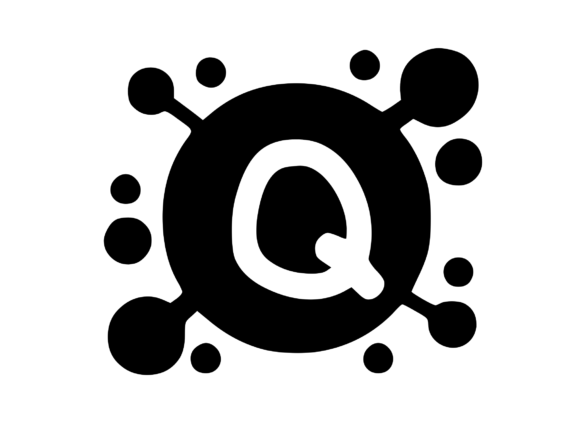
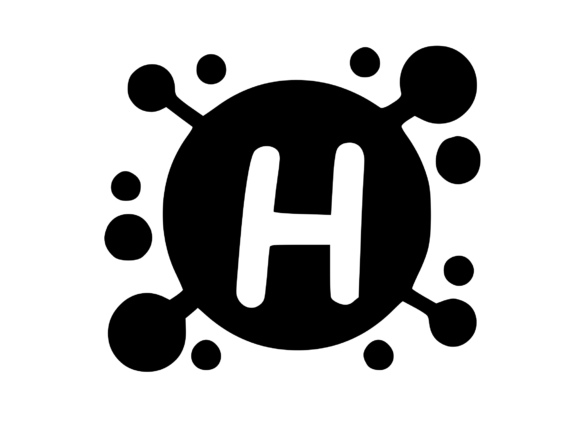
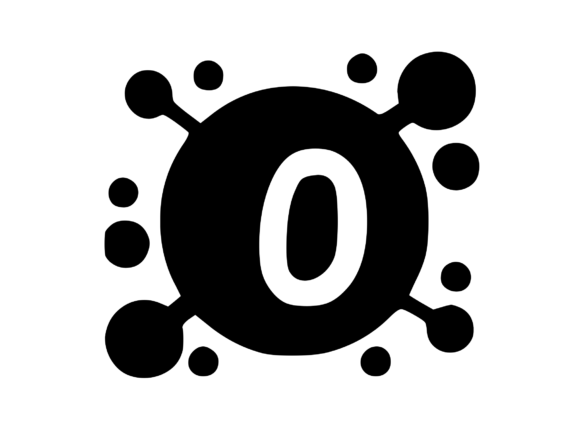
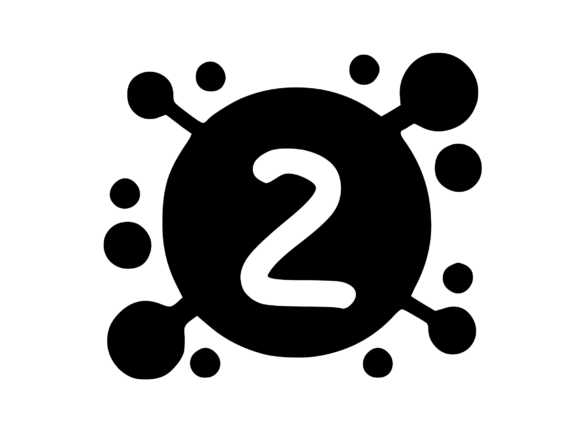
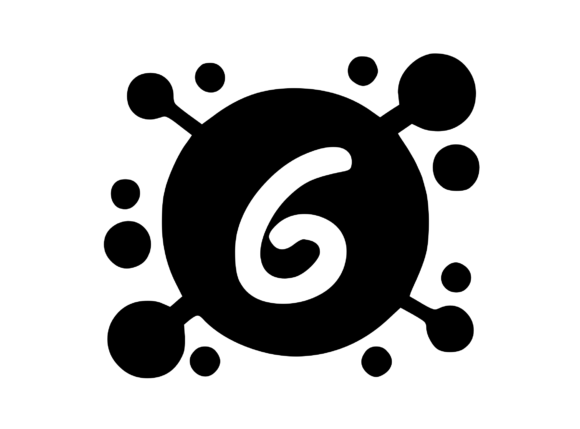
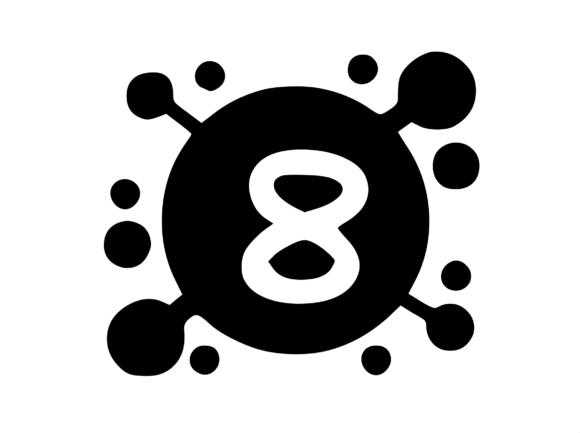
Upon opening the digital embroidery file, the first thing that stands out is the balance between the illustrative element and the typographic space. The germ motif itself possesses a distinct visual personality; it is stylized enough to be recognizable without being overly grotesque, which is crucial for maintaining broad market appeal. In the world of Graphics adapted for needlework, this distinction matters. A design that is too realistic can translate into muddy stitches or unappealing textures, whereas this vector-style interpretation suggests clean lines and manageable color changes.
The inclusion of "Mono 8" indicates a dedicated space for eight-character monograms or text. From a layout perspective, this integration is vital. Too often, designers have to manually digitize text around a central image, risking alignment issues or disproportionate sizing. Having this pre-mapped saves significant production time for Etsy sellers and small shop product creators who need to turn around personalized gifts efficiently. The mood strikes a chord of playful professionalism, making it suitable for medical staff appreciation gifts, biology student merchandise, or hygienic awareness campaigns without feeling juvenile.
Real-World Application: The Nurse’s Tote Bag Test
To truly judge the viability of Viral Bacterial Germ with Mono 8, I mentally placed it into a real-life production scenario: a custom canvas tote bag for a hospital nursing station. Canvas is a forgiving yet structured fabric, ideal for testing stitch density and registration. In this context, the design needs to serve two purposes: identifying the owner via the monogram and showcasing professional pride through the icon.
For this tote bag design application, the fill areas of the germ would likely require a medium-density fill stitch to prevent the canvas grain from showing through while avoiding excessive bulk that could warp the bag's shape. The monogram section, presumably utilizing a satin stitch or a clean running stitch depending on the font style included, must remain legible from a distance. If the lettering is too thin, it will get lost against the textured canvas; if too thick, it risks tunneling. This specific use case highlights why checking the embroidery file parameters before hooping is non-negotiable. For a handmade product intended for daily heavy use by healthcare workers, durability is just as important as aesthetics.
Fabric Compatibility and Technical Constraints
While the design shows promise for sturdy items like tote bags and aprons, caution is required when adapting Viral Bacterial Germ with Mono 8 for more delicate or complex substrates. As an experienced reviewer, I must highlight where this design demands extra attention:
- Stretchy Fabrics: If applying this to a lightweight jersey knit for baby embroidery or summer tees, the combination of the graphic and the eight-character text creates a large stitch field. Without adequate stabilizer (likely a cut-away mesh), the fabric will pucker, and the monogram may distort after washing.
- Textured Surfaces: On terry cloth towels or fleece blankets, fine details in the germ illustration might sink into the pile. Using a water-soluble topping is essential here to maintain definition.
- Curved Hooping: While excellent for flat goods, placing this design on a structured cap requires verifying the hoop size and curvature. The horizontal span of an eight-character monogram combined with a centered icon may exceed the safe stitch area of standard cap frames, leading to misalignment at the edges.
- Dark Fabrics: Contrast is key. If stitching on black scrubs or navy sweatshirts, ensure the thread colors provide sufficient pop. A dark outline on dark fabric disappears, rendering the applique design elements or borders ineffective.
Commercial Value and Brand Consistency
For creative entrepreneurs and apparel decorators, the value of a design extends beyond a single stitch-out. It contributes to brand consistency and customer trust. Viral Bacterial Germ with Mono 8 offers a cohesive look that can anchor a collection. Because it includes a standardized monogram area, it allows for uniformity across different products—matching sweatshirt embroidery with mug warmers or clipboards—all bearing the same professional yet fun identity.
However, product value relies heavily on execution. A poorly stabilized custom apparel item featuring this design will reflect badly on your shop. Buyers expect crisp lettering and smooth fills. Before listing any finished product derived from this file, I strongly recommend creating a printable mockup alongside a physical sample. Digital previews help sell the concept, but photos of actual stitching build the trust necessary for commercial embroidery success. Verify that the licensing allows for the specific type of reproduction you intend, whether that is selling physical embroidered goods or incorporating the graphic into broader design assets.
Designer Notes for Optimal Results
Based on my evaluation of similar science-themed and monogram-integrated files, here are practical steps to ensure Viral Bacterial Germ with Mono 8 performs beautifully in your studio:
- Test Stitch on Scrap: Never run this design directly on a final product without a test. Use a scrap of the exact fabric and stabilizer combination you plan to use. Check specifically for registration between the germ icon and the monogram baseline.
- Audit Thread Colors: Review the color chart provided with the embroidery project. Ensure the sequence makes sense for minimizing trims and jumps. Sometimes reordering colors can save minutes per hoop, which adds up significantly for craft business volume.
- Check Small Details: Inspect the smallest elements of the germ illustration. If there are tiny spikes or cilia rendered as running stitches, verify they are long enough to stitch reliably. Stitches under 1mm can cause needle breaks or thread shredding on some machines.
- Evaluate Washability: If this is destined for holiday embroidery on kitchen linens or medical uniforms, wash the test swatch. Ensure the stitch density holds up and the monogram doesn't pull away from the background fabric.
- Confirm Licensing: Before using this as a base for Etsy seller listings or boutique branding, double-check the terms. Ensure you are cleared to reproduce the design on merchandise for sale.
Ultimately, Viral Bacterial Germ with Mono 8 presents a versatile opportunity for makers who cater to the science, medical, and education sectors. Its strength lies in its dual function as both a decorative graphic and a personalization tool. By respecting the technical requirements of machine embroidery and matching the design to appropriate fabrics and end-uses, you can transform this digital asset into a high-value, tangible product that resonates with customers and stands the test of daily wear. Always prioritize the physical stitch-out over the digital promise, and let quality craftsmanship define your brand.