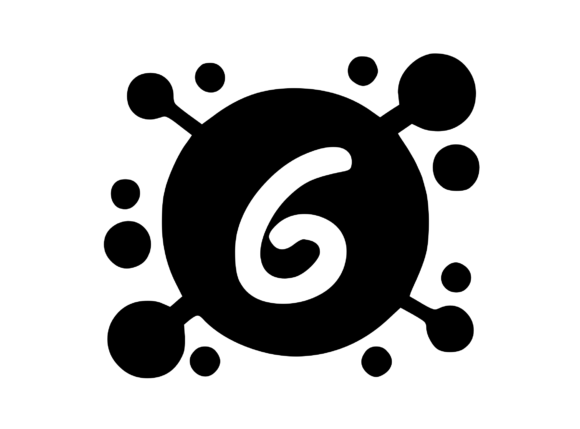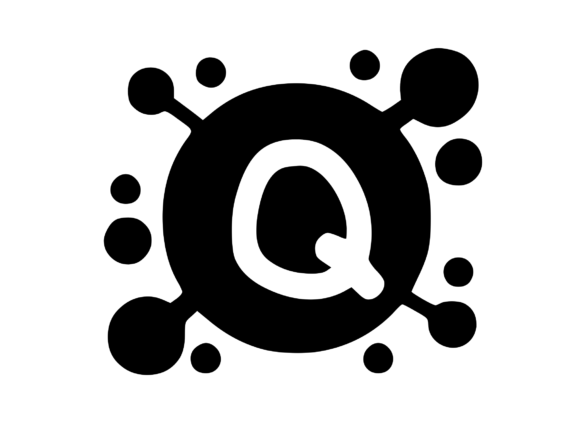
Viral Bacterial Germ with Mono Q: A Stitch Test
As a professional embroidery designer and product reviewer, I approach every new machine embroidery design with a healthy dose of skepticism. The digital preview often looks flawless, but the true test lies in how the file translates from screen to fabric. When evaluating Viral Bacterial Germ with Mono Q, my primary focus is not just on its novelty as a graphic, but on its structural integrity for real-world production. This design sits at an interesting intersection of science education and quirky humor, making it a unique candidate for specific niches within the Crafts category. However, translating a complex biological shape into thread requires careful consideration of stitch types, density, and end-use application.
First Impressions: Visual Personality and Structure
Upon opening the embroidery file, the first thing that strikes me is the balance between organic chaos and typographic order. The "Mono Q" element suggests a monoline or minimalist aesthetic that contrasts sharply with the typically dense, irregular shapes associated with viral or bacterial illustrations. From a design perspective, this is excellent. Purely dense fill stitches can create bulletproof patches that pucker lightweight fabrics, while purely running stitches can get lost on textured materials. This hybrid approach indicates that the digitizer likely considered the physical limitations of thread.
The mood of Viral Bacterial Germ with Mono Q is surprisingly versatile. It avoids looking overly clinical or scary, leaning instead into a stylized, almost retro-scientific vibe. For an Etsy seller or small shop product creator, this visual tone is crucial. It allows the design to function as educational decor for a classroom, a humorous badge for medical professionals, or a niche graphic for biology students without feeling inappropriate for general audiences. The layout appears centered and balanced, which is a relief; asymmetrical germ shapes can be notoriously difficult to hoop correctly without wasting stabilizer.
Real-World Application: The Science Teacher Tote Bag
To truly judge this asset, I mentally placed it into a current client project: a series of canvas tote bags for a university biology department's orientation week. Canvas is a forgiving fabric, but it has a distinct weave that can swallow fine details. In this scenario, Viral Bacterial Germ with Mono Q needs to perform as both a branding element and a conversation starter.
For this tote bag design, the monoline aspects would serve as the primary visual anchor. I envision using a high-contrast thread color, perhaps a deep teal or burgundy against natural canvas, to ensure the "Mono Q" lettering remains legible from a distance. The viral elements surrounding the text would act as a decorative border. Because tote bags are functional items subject to friction and washing, I would pay close attention to the perimeter stitches. If the design utilizes a satin stitch border, I would verify that the column width is sufficient to prevent fraying over time. If it uses a running stitch outline, I would ensure it is doubled or tripled to withstand the abrasion of daily use. This specific use case highlights why checking the actual stitch data is vital before committing to a bulk order of blanks.
Navigating Fabric Variables and Hoop Limitations
While canvas is straightforward, many makers want to use graphics like this on more challenging substrates. Here is where practical judgment matters most. If you are planning sweatshirt embroidery or working with fleece, the texture of the fabric will compete with the design. Fleece tends to bury thin lines. For Viral Bacterial Germ with Mono Q, I would strongly recommend using a water-soluble topping to keep the monoline details crisp and visible above the nap of the fabric. Without this step, the intricate parts of the germ illustration risk disappearing into the fuzz.
Conversely, if you are creating baby embroidery items like onesies or bibs, the concern shifts to density and comfort. Babies have sensitive skin, and a dense cluster of fill stitch can feel scratchy and stiff. Before stitching this on infant wear, run a tactile test. Does the design drape, or does it create a rigid armor plate? You may need to edit the file to reduce density or swap heavy fills for lighter cross-hatching. Additionally, always verify the hoop size requirements. Biological shapes are often wider than they are tall; ensure your machine’s maximum stitching area accommodates the full width of the germ illustration without requiring re-hooping, which introduces alignment risks.
Dark fabrics present another hurdle. If the design relies on internal shading or subtle color gradients to define the viral structure, those nuances may vanish on black or navy apparel. In such cases, the "Mono Q" typography becomes the hero, and the germ shape becomes a silhouette. Always test thread colors against your specific garment color under natural lighting before production. What looks vibrant on a white screen background may look muddy on charcoal cotton.
Commercial Viability and Professional Presentation
For creative entrepreneurs selling digital embroidery file assets or finished goods, professionalism hinges on consistency. Viral Bacterial Germ with Mono Q offers strong potential for commercial embroidery because of its niche appeal, but only if executed cleanly. Jump stitches are the enemy of perceived value. When reviewing this file, check the jump path. Excessive trims between the viral spikes and the text will slow down production and increase the chance of thread nests on the backside. A clean stitch-out builds customer trust; a messy one generates returns.
If you are creating printable mockups for your online listings, accuracy is key. Do not simply overlay a flat PNG of the design onto a shirt template. Use software that simulates stitch texture and sheen. Customers buying handmade products expect to see what the thread actually looks like. Showing the interplay of light on the satin columns versus the matte finish of the fill stitches helps manage expectations and reduces buyer remorse. Furthermore, clearly state whether this is suitable as an applique design or strictly an embroidered graphic. Misrepresenting the construction method can lead to confusion for buyers who prefer the softer hand-feel of applique for large motifs.
Essential Designer Notes for Success
Before you load Viral Bacterial Germ with Mono Q into your machine for a final project, adhere to these professional best practices:
- Test on Scrap Fabric First: Never assume a digital file is perfect. Stitch out the design on a scrap piece of the exact fabric and stabilizer combination you intend to use for the final product. Check for registration issues, puckering, or thread breaks.
- Verify Licensing: The product description mentions proudly reproducing the work, but always confirm the specific license terms regarding personalized gift sales versus mass production. Protect your craft business by understanding your rights.
- Check Small Details: Inspect the smallest elements of the germ illustration. If there are dots or dashes smaller than 1mm, they may not stitch out clearly. Consider editing them out or enlarging them to prevent needle damage or thread bunching.
- Evaluate Washability: If this is destined for kitchen towels or aprons, wash your test swatch three times. Does the monoline text hold up? Do the edges fray? Durability is a selling point for custom apparel and home goods.
- Mockup Realism: When listing this as part of your design assets portfolio, show it on multiple fabric textures. A design that looks great on denim might fail on silk. Honest representation attracts loyal repeat customers.
Final Verdict on Practical Utility
Viral Bacterial Germ with Mono Q is more than just a novelty graphic; it is a test of a maker’s technical proficiency and artistic judgment. Its blend of scientific theme and typographic style makes it a standout choice for educators, medical staff gifts, and science enthusiasts. However, its success depends entirely on respecting the physics of embroidery. By carefully managing stitch density, selecting appropriate stabilizers for the substrate, and validating the design through rigorous testing, you can transform this digital asset into a high-quality finished product that stands out in a crowded marketplace. Whether you are an experienced apparel decorator or a hobbyist exploring new themes, treat this design with the technical respect it demands, and it will reward you with professional, sellable results.