Hot Air Balloon with Mono T: A Stitch Test
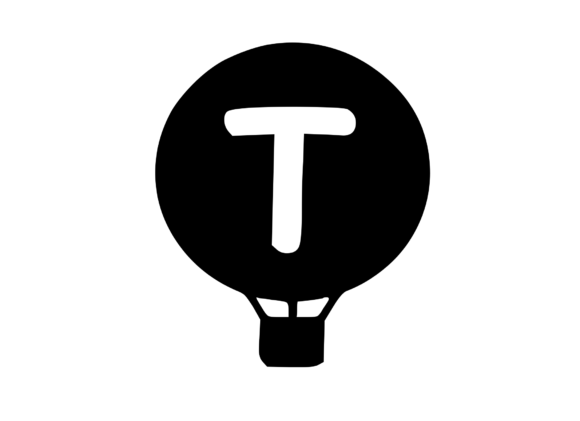
When I first opened the Hot Air Balloon with Mono T file, I wasn't just looking at a graphic; I was mentally mapping out stitch paths. As an embroidery designer and product reviewer, my immediate concern is always translation. How does this digital art actually behave when needle hits fabric? This design sits in that sweet spot between whimsical illustration and functional typography, making it a compelling candidate for both personal crafting and commercial product lines. The integration of the monogram "T" into the balloon structure suggests a clever use of negative space and layering, but it also raises specific technical questions about registration and density that every maker needs to consider before hooping up.
First Impressions and Design Personality
The visual mood of this machine embroidery design is undeniably nostalgic yet clean. It avoids the cluttered look that often plagues novelty graphics, offering instead a balanced silhouette that reads well from a distance. For those of us in the Crafts category, specifically working with Graphics intended for textile application, clarity is king. The "Mono T" isn't just slapped onto the balloon; it feels structural. This implies that the digitizer likely considered how the letter would interact with the surrounding elements.
However, as a reviewer, I have to look past the screen preview. My first impression is that this design relies heavily on precise alignment. If you are planning to use this as an applique design, the placement lines must be accurate. If it is a straight stitch-out, the transition between the balloon envelope and the monogram needs to be seamless. The personality here is versatile—it leans towards nursery decor and vintage-inspired apparel, but it has enough graphic weight to work on adult accessories like tote bags or caps if scaled correctly.
Real-World Application: The Custom Tote Bag Test
To truly evaluate this asset, I simulated a real-life production scenario: creating a personalized canvas tote bag for a boutique client named "Teresa." This is a common request for Etsy sellers and small shop owners. Canvas is unforgiving; it shows every tension issue and registration error. I chose this project because a tote bag design requires durability. Customers expect these items to hold groceries and books without the embroidery puckering or distorting after washing.
In this context, the Hot Air Balloon with Mono T performed as a focal point rather than a background element. I envisioned the "T" in a contrasting thread color to maximize readability against natural canvas. For a custom apparel piece or accessory like this, the design serves as a conversation starter. It transforms a generic blank into a personalized gift with perceived value. From a business perspective, this specific combination of icon and initial allows for high-margin pricing because it feels bespoke rather than mass-produced. However, stitching on canvas required a heavier cut-away stabilizer to prevent the dense areas of the monogram from pulling the fabric grain.
Technical Considerations for Apparel and Nursery Goods
Moving from sturdy canvas to more delicate substrates changes the evaluation entirely. When considering this for baby embroidery or lightweight sweatshirts, caution is necessary. The interplay between the balloon shape and the letter likely involves varying stitch densities. On a stretchy knit fabric, such as a baby onesie or a French terry sweatshirt embroidery project, high-density areas can create a "bulletproof" patch effect that is uncomfortable against skin.
If you are using this for holiday embroidery or nursery wall hangings, the aesthetic payoff is worth the technical effort. But for wearable custom apparel, I strongly advise checking your embroidery file properties before committing. Does the monogram use a satin stitch or a fill stitch? Satin stitches offer a classic, raised look perfect for the curves of a balloon, but they are prone to snagging on active wear. Fill stitches are flatter and safer for children's clothing but may lack the dimensional pop expected in premium handmade products. Always verify these details in your software or request a stitch chart from the designer if not provided.
Navigating Fabric Textures and Hoop Limitations
Not all surfaces are created equal. While the Hot Air Balloon with Mono T shines on flat, stable fabrics, it presents challenges elsewhere. I would be hesitant to use this design on highly textured fabrics like boucle or thick terry cloth without significant modification. The fine details where the "T" integrates with the balloon rigging could get lost in the pile, resulting in a muddy final image.
Furthermore, consider your hoop size. This design likely has a vertical aspect ratio due to the nature of a hot air balloon. Ensure your machine’s maximum stitch area accommodates the full height without requiring re-hooping, which introduces alignment risks. For small shop products like caps or curved sleeves, this vertical orientation might be problematic. Caps require horizontal or compact designs to fit above the brim. Attempting to squeeze a tall balloon design onto a curved cap surface often leads to distortion and poor customer satisfaction. Stick to flat surfaces or large hoops for the best results with this specific graphic.
Commercial Viability and Brand Consistency
For creative entrepreneurs and digital product sellers, consistency builds trust. Using the Hot Air Balloon with Mono T across multiple product lines can create a cohesive brand identity, provided the execution remains uniform. If you sell finished goods, ensure your thread colors remain consistent between batches. A navy blue balloon on one shirt and a royal blue on another undermines the professional feel of your shop.
When listing items online, utilize printable mockups to showcase how the design looks on different backgrounds. However, nothing replaces photos of the actual finished product. Buyers need to see how the running stitch outlines hold up against dark versus light fabrics. Dark fabrics often require an underlay or a white base layer to make pastel thread colors pop, adding to the stitch count and production time. Factor this into your pricing. As a commercial embroidery asset, this design has strong potential for seasonal sales and personalized gifting, but only if the production quality matches the digital promise.
Essential Pre-Stitch Checklist for Makers
Before you run this design on a sellable item or a cherished gift, treat it with the same rigor as any professional design assets. Here is my practical checklist for evaluating the Hot Air Balloon with Mono T:
- Test on Scrap Fabric: Never assume settings are perfect. Test on the exact material you intend to use, including the same stabilizer combination.
- Verify Licensing: Confirm whether your purchase includes commercial rights for selling physical embroidered items or if it is limited to personal use. This is critical for Etsy sellers.
- Check Contrast: View the design in black and white within your software to ensure the "T" is distinguishable from the balloon body without relying solely on color differences.
- Inspect Small Details: Zoom in to 100% to check for jump stitches that weren't trimmed or gaps in the outline. These flaws are magnified in real stitching.
- Stabilizer Selection: Match the stabilizer weight to the design density. Lighter fabrics need tear-away or wash-away support; heavier items need cut-away stability.
- Mockup Validation: Compare the digital file against a physical sample photo. Digital perfection doesn't always equal textile reality.
Ultimately, the Hot Air Balloon with Mono T is a charming addition to any embroiderer's library. It bridges the gap between playful art and personalized utility. Whether you are crafting a unique embroidered patch, decorating a nursery pillow, or fulfilling custom orders for a client named Taylor or Thomas, success lies in respecting the technical demands of the medium. By approaching this digital embroidery file with a critical, practical eye, you ensure that your final creation stands out for its quality just as much as its creativity. Happy stitching!